
15
Jan
Winter storms can really test the limits of your roof, laying on heavy snow & ice dams and walloping it with high winds to boot, creating the need for roof repair in Winston Salem and surrounding areas. Getting a handle on things right away and knowing your way around your homeowner’s insurance can make all the difference between saving your home and blowing a hole in your budget. This guide is here to walk you through how to spot any damage, push through the paperwork on a roof damage claim, and even work with your insurer to get things sorted out – all so you can get from crisis mode to resolution without feeling totally frazzled. It’s basically an advice guide for homeowners on how to navigate a winter storm damage claim and get your roof back in top shape asap.
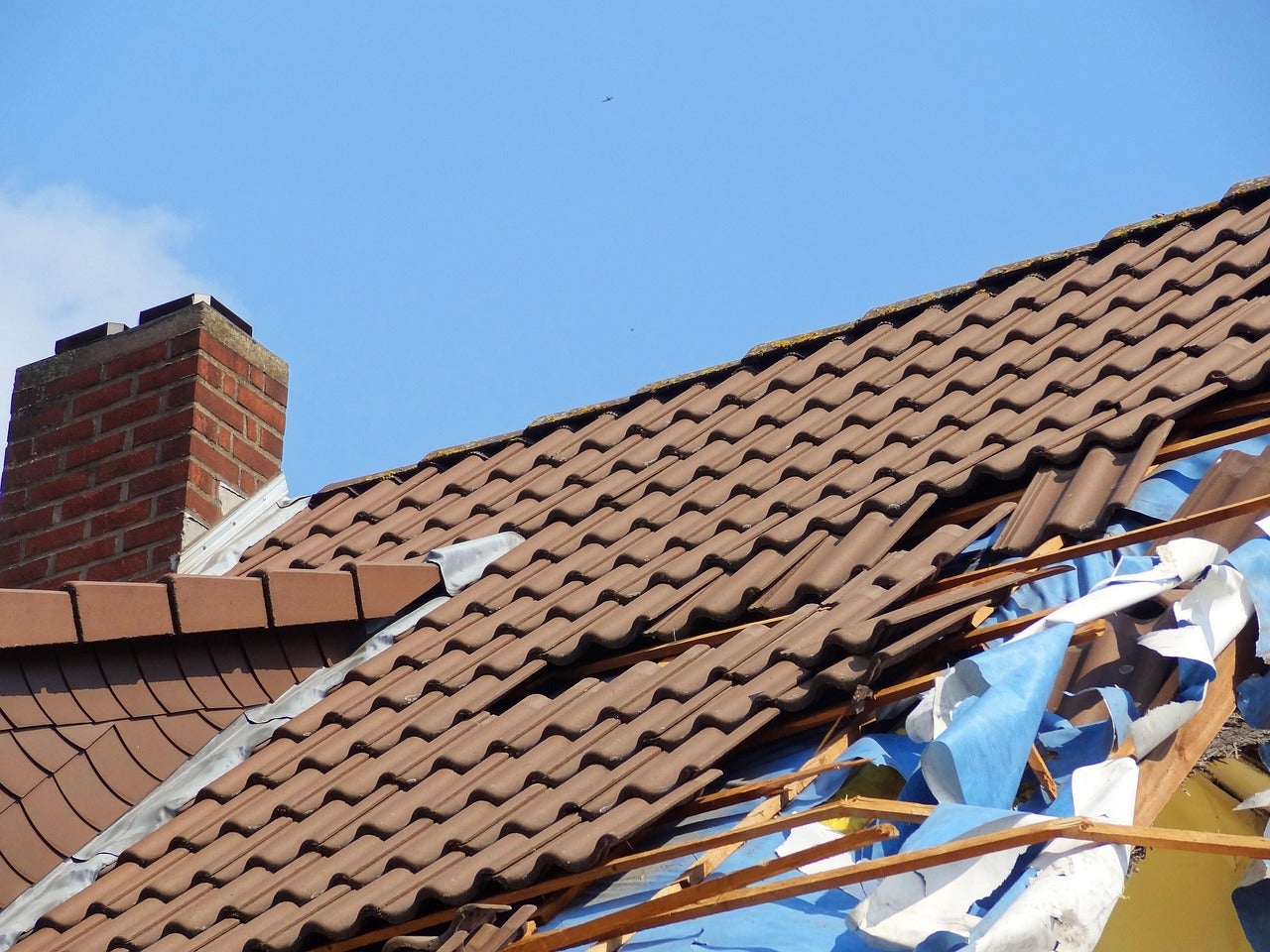
Getting on top of things early helps prevent all sorts of problems – leaks , mold and structural issues – from taking hold. After a storm you should be keeping an eye out for any tell tale signs that your roof is in trouble. This is super important if you’re dealing with wind damage or any other storm damage that might just require you to make an insurance claim for your roof.
Inspect safely: start with a ground-level visual check, using binoculars if needed. In the attic, look for daylight through the roof deck, damp insulation, or musty odors. Walk the exterior perimeter to assess gutters, soffits, and fascia. Avoid climbing on icy or snow-covered surfaces—hire a professional if conditions are hazardous. Document what you see with photos and videos. Do not remove heavy snow with metal tools that can damage shingles. Safety should be your top priority.
Act promptly. Winter-related leaks can spread quickly and lead to interior damage, electrical hazards, and mold. Most policies require timely reporting. Early detection allows you to limit further damage by tarping vulnerable areas, placing containers under active leaks, and improving ventilation to dry damp materials. Quick action supports a successful roof damage claim and avoids disputes in insurance roof claims.
Before filing, review your policy to know what is covered, what is excluded, and how your deductible and limits apply. This is critical when you face wind damage roof concerns or broader storm damage roof events.
Typical covered damage includes sudden and accidental losses from wind, hail, falling objects, and the weight of snow or ice causing collapse or structural harm. Water intrusion resulting from a covered peril may be included; ice dam-related interior damage is often covered when it stems from a covered event, provided the cause-and-effect is clear.
Exclusions and limitations often include wear and tear, neglect, poor maintenance, mechanical breakdowns, and pre-existing damage. Some insurers adjust coverage based on roof age or material—older roofs might be covered at ACV rather than RCV. Cosmetic damage that does not impair function may be excluded. Water entering due to long-term deterioration, improper installation, or missing flashing is typically not covered. Review any roof-specific endorsements and state provisions that affect winter storm claims. Understanding these details will streamline your roof damage claim and help you navigate insurance roof claims without surprises.
A methodical approach keeps your claim on track. Begin documenting immediately and follow your insurer’s instructions closely. Use this winter storm damage: a homeowner s guide to filing a roofing insurance claim to stay organised from first notice of loss to final payment.
Gather essential materials:
Communicate effectively with your insurer. Be factual and concise, focusing on the storm and resulting damage. Avoid speculation—let inspections define the scope. Keep a claim log of dates, names, and call or email summaries. Ask for timelines and required documents in writing. Request clarification on RCV vs. ACV and any depreciation holdback. Respond promptly to prevent delays. Clear communication improves outcomes for any roof damage claim and reduces issues in insurance roof claims.
After filing, the insurer will determine if the loss is covered, assess the damage, and calculate the payment under your policy.
Expect the adjuster to inspect exterior and interior areas, measure roof slopes, examine shingles for creases or granule loss, and assess flashing and ventilation. They will look for signs that distinguish storm damage roof conditions from wear and tear and identify wind damage roof impacts accurately. The adjuster may request more documentation or consult a roofing specialist.
Claims are evaluated by comparing your evidence and contractor estimate with the adjuster’s findings. The insurer determines whether the peril—wind, ice, or snow load—caused the loss and whether the damage is functional (leaks, compromised integrity) versus cosmetic. Payment is calculated based on RCV or ACV, depreciation, your deductible, and any applicable code upgrades covered by ordinance or law.
Timelines vary. Many insurers acknowledge claims within a few days and schedule inspections within one to two weeks, weather permitting. Coverage decisions often follow shortly after inspection, though complex situations may require additional time. If you disagree with the findings, request a reinspection, provide supplemental documentation, or invoke the policy’s appraisal process per the dispute resolution clause. These steps are common in insurance roof claims and can support a fair resolution of your roof damage claim.
Once coverage is approved, move forward with repairs to restore your roof and prevent future issues.
Understand the payout process. Insurers often issue an initial payment based on ACV minus your deductible, then release the depreciation holdback after repairs are completed and invoices are submitted. Keep detailed records of all costs, including permits and code-required upgrades. If your mortgage lender is listed on the policy, checks may be co-payable and require lender endorsement.
Ensure quality workmanship. Verify licensing, insurance, and references. Get a written contract outlining scope, materials, warranties, timeline, and payment schedule. Confirm manufacturer installation requirements to preserve material warranties. Avoid paying in full upfront—tie payments to milestones. Request a final inspection and lien waiver upon completion. Strong documentation at this stage helps finalise insurance roof claims and closes your roof damage claim confidently.
Preventative care reduces risk and improves resilience when severe weather hits. Proactive maintenance also minimises the likelihood of a future storm damage roof scenario or wind damage roof event.
Broader winterizing best practices support your roof and home systems:
Create an emergency plan for severe weather. Compile contact information for your insurer, preferred roofer, and local emergency services. Prepare a storm kit with tarps, plastic sheeting, flashlights, batteries, and a first-aid kit. Establish procedures for safely shutting off water or electricity. Set communication plans with household members in case of extended outages. These steps align with winter storm damage: a homeowner s guide to filing a roofing insurance claim and reduce the need for future insurance roof claims.
Does homeowner’s insurance cover ice dams? Many policies cover interior water damage resulting from ice dams when the dam formed due to a covered peril like a winter storm. Roof repair may be covered if storm damage caused functional impairment. Exclusions can apply if the issue stems from long-term maintenance problems.
Should I file a claim for minor damage? Consider your deductible and potential impact on premiums. If repair costs are close to or below your deductible, you might self-pay. Always document the event and consult your insurer or agent for guidance. If you proceed, follow the roof damage claim steps and keep thorough records to support insurance roof claims.
Will filing a claim increase my premium? Changes depend on your insurer, state regulations, claim history, and whether the event is widespread. One claim does not always raise premiums, but multiple claims in a short period may have an effect.
Can I select my own contractor? Yes. You can choose any licensed, insured contractor. Some insurers offer preferred vendors to streamline paperwork, but you are not obligated to use them.
What if the adjuster’s estimate is lower than the contractor’s? Request a supplement and provide detailed documentation, photos, and a line-item estimate clarifying materials, code requirements, and scope. Ask for a reinspection or use the policy’s appraisal process if you cannot reach agreement. This is common in insurance roof claims and helps ensure your storm damage roof repair is adequately funded.
How long does a winter storm claim usually take? Straightforward claims may resolve within a few weeks. Complex roof replacements or disputes can take longer. Weather, material availability, and scheduling can affect repair timelines even after approval. If wind damage roof repairs are extensive, expect additional coordination with your contractor and insurer.
Contact us today to learn more, or give us a call at (336) 414-3550 for a free estimate.