
12
Dec
North Carolina winters are notoriously unpredictable. One day it’s a sunny 45 degrees and the next, it’s a bitter 25. While this can make getting dressed challenging, it creates a much bigger problem for your home: the freeze-thaw cycle.
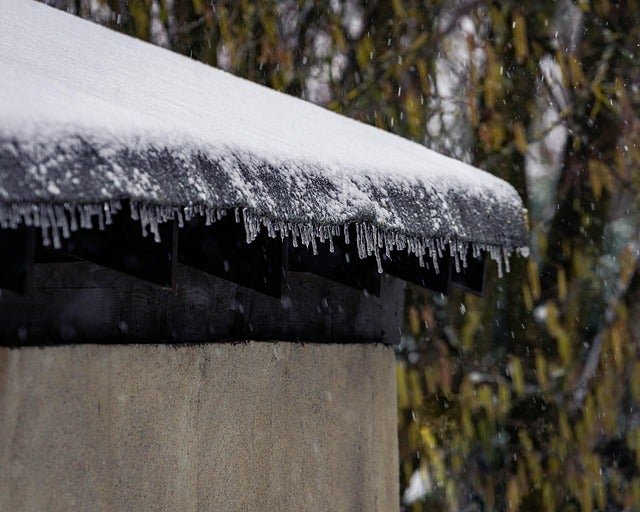
As your trusted and experienced roofing repair contractors in Winston Salem, Greensboro, High Point, Mount Airy and surrounding communities, we know these temperature swings are the ultimate threat to your roof’s integrity. Water seeps into a tiny crack, freezes overnight and expands, then melts during the day, allowing more water in to repeat the cycle. Over a few weeks, a small issue becomes a major water intrusion risk.
Don’t let the subtle signs of the freeze-thaw cycle roof damage sneak up and turn into a costly spring surprise! Here’s what you need to know and how to stay ahead of it.
The problem occurs because water expands by about 9% when it turns to ice. When that expansion happens inside a rigid material like a shingle or metal flashing, it creates a lot of pressure.
Here are the key problems caused by the freeze-thaw cycle:
Ice dams are the most destructive result of the freeze-thaw cycle and the one most homeowners are least expecting. They form when heat leaks out of your attic, melts snow higher on the roof, and the meltwater refreezes at the colder roof edge (the eaves). This ice barrier blocks the water from draining like it should, causing it to seep under the shingles and into your attic instead.
The vulnerable junctures where your roof changes plane—around chimneys, vents, and valleys—are sealed by flashing.
The best time to prevent winter damage is before it happens. These are the solutions pros like us use to safeguard homes from the freeze-thaw cycle:
The first and most important step is getting a roof inspector out to take a look. Our certified roof inspectors can spot tiny cracks and compromised seals that are invisible from the ground. Catching a small issue now saves you from needing an emergency roof repair later.
If you’re replacing your roof or planning upgrade work in the future, make sure you’re getting a layer of protection specifically designed to handle the freeze-thaw cycle:
If you notice water stains on your ceiling, that means the freeze-thaw cycle has already led to water intrusion repair. Don’t wait—call us for emergency roofing services ASAP. The longer you delay roof leak repair, the more mold and wood rot damage you can get. That makes the repair a lot harder to fix and the price of a new roof a lot more expensive.
Don’t get hung up on the average cost of a new roof, preventative roof maintenance services are the best way to extend the life of your current roof and avoid premature roofing replacement.
If winter damage has pushed your roof to the limit, we’ll come to give you a clear estimate on the average roof replacement cost and discuss modern materials and underlayment (like an ice and water shield) that are built to withstand North Carolina’s temperature swings in our region.
Ready to make sure your roof can handle whatever the freeze-thaw cycle throws its way this winter?
Contact Twin County Construction today to schedule a professional roof inspection today.